

Introduction
Marketing decisions are no longer based on gut feelings or assumptions. In 2026, data plays the most crucial role in determining what strategies truly work and which ones fall short. Businesses that embrace data-driven marketing gain a significant competitive advantage, allowing them to outpace those still relying on outdated methods. By shifting the focus from "guessing" to "knowing," companies can ensure that every dollar spent is backed by evidence. This transition is not just a trend; it is the fundamental shift defining how successful brands scale in the modern era.
"The most effective marketing decisions come from patterns you can prove, not instincts you hope are right."
What Is Data-Driven Marketing?
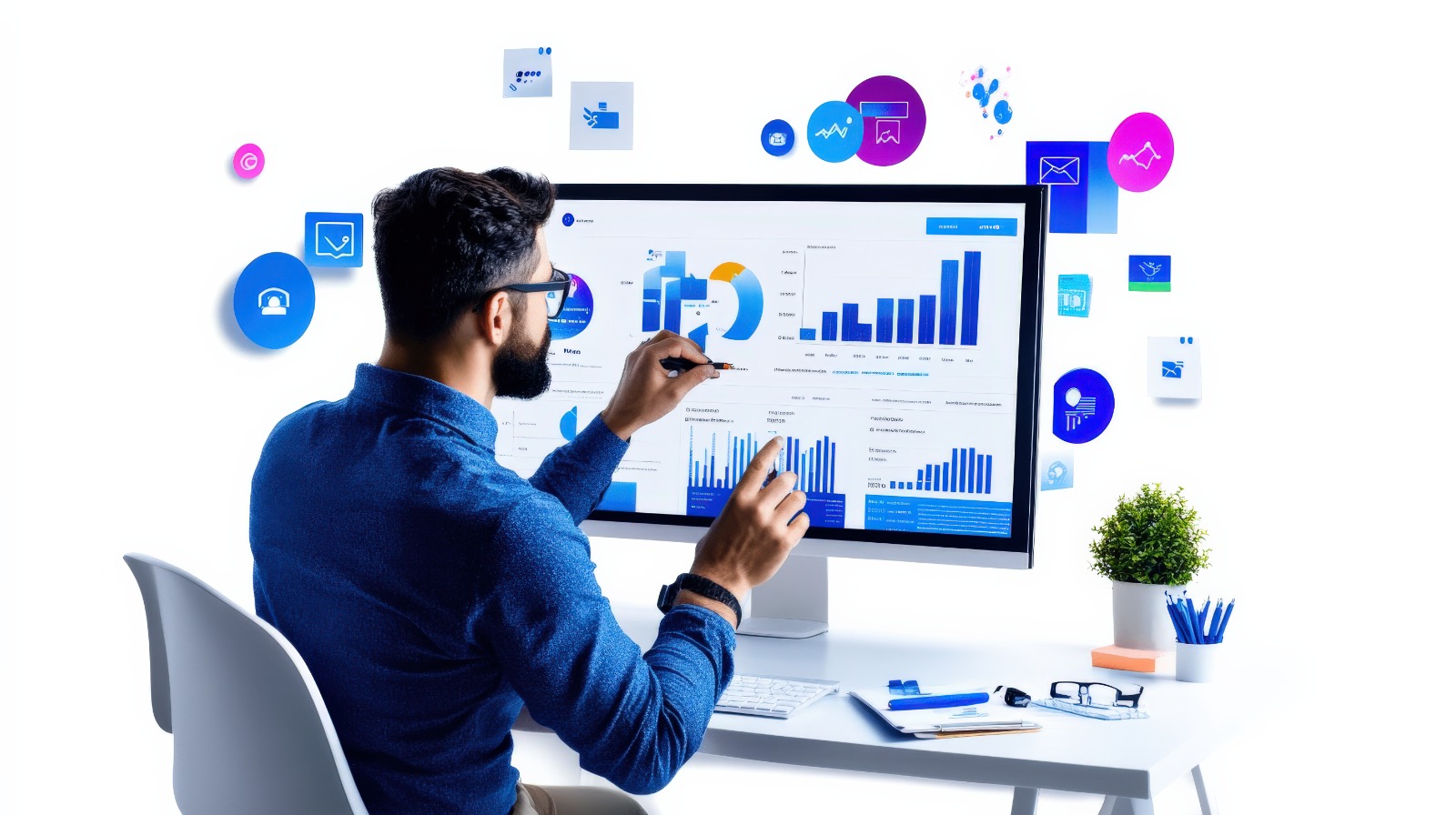
Data-driven marketing involves using deep analytics and consumer information to guide every marketing decision. Instead of launching a campaign and hoping for the best, businesses use historical and real-time data to predict outcomes.
Core Components of a Data Strategy
Customer Behavior Analysis: Understanding how users interact with your brand.
Campaign Performance Tracking: Measuring the exact impact of every ad and post.
Audience Insights: Identifying the specific demographics most likely to convert.
Why Data Is Essential in 2026
Without data, marketing is simply guesswork. In a crowded digital marketplace, businesses need precision to survive. Data helps businesses understand customer behavior, improve the speed of decision-making, and optimize campaigns on the fly. Ultimately, the goal of using data is to increase ROI (Return on Investment). When you know exactly what your customers want, you stop wasting resources on strategies that do not resonate with them.
The Key Benefits of a Data-Driven Approach
1. Superior Decision-Making
Data provides objective insights that remove human bias. This leads to higher accuracy in planning and execution, ensuring that marketing teams are focused on high-impact tasks.
2. Improved ROI
When campaigns are optimized based on real-time performance, waste is eliminated. Every part of the marketing funnel becomes more efficient, leading to lower acquisition costs and higher profits.
3. Personalization at Scale
Modern consumers expect experiences tailored to their needs. Data allows businesses to deliver personalized messages to thousands of people simultaneously, significantly increasing engagement and loyalty.
4. Seamless Scalability
Once data proves a specific strategy is working, it can be scaled with confidence. This allows businesses to grow aggressively without the fear of losing money on unproven concepts.
Challenges of Data-Driven Marketing
While the benefits are clear, this approach is not without its hurdles. Many businesses struggle with:
Data Overload: Having too much information and not knowing how to interpret it.
Poor Data Quality: Relying on inaccurate or outdated information.
Lack of Expertise: Not having the right team to turn numbers into actionable strategies. To overcome these challenges, businesses must invest in the proper tools and a clear framework for how data should be used.
"Data becomes a growth engine when insights turn into faster, smarter action."
How to Use Data Effectively
1. Implement Analytics Tools: Use platforms like Google Analytics 4 or CRM software to gather info.
2. Track Key Metrics: Focus on KPIs (Key Performance Indicators) that actually matter to your bottom line.
3. Continuous Optimization: Never stop testing. Use data to refine your headlines, images, and targeting daily.
Conclusion
Data-driven marketing is no longer optional; it is the future of business. Companies that adopt this approach can make smarter decisions, improve their overall performance, and achieve sustainable long-term growth. In 2026, the winners in the digital space will be those who let the data lead the way.
Frequently Asked Questions
It is the process of using verified data and analytics to inform and execute marketing strategies rather than relying on intuition.
It improves accuracy, reduces financial risk, and ensures that marketing efforts are aligned with what customers actually want.
Small businesses can use basic analytics and social media insights to understand their audience and grow more efficiently with limited budgets.
Yes. By identifying and cutting underperforming ads while boosting successful ones, data directly increases your return on investment.
Commonly used tools include Google Analytics, Meta Pixel, heatmapping software, and advanced CRM systems like HubSpot or Salesforce.
If your marketing decisions still depend more on guesswork than evidence, it may be time to tighten your process. Start with the right data, focus on the numbers that actually matter, and build a strategy that helps you grow with more confidence.