
Introduction
In today's crowded digital environment, businesses are no longer competing solely on the quality of their products or services; they are competing on perception. Customers are exposed to a relentless stream of options, and their final decisions are heavily influenced by how a brand looks, feels, and communicates. This is where branding becomes the ultimate differentiator. In 2026, branding is no longer limited to just logos or color palettes. It represents the entire identity of a business encompassing how it is perceived, remembered, and trusted. Businesses that invest in a cohesive brand identity are the ones that stand out and achieve consistent growth.
"Branding turns attention into trust and trust into preference."
What is Branding?
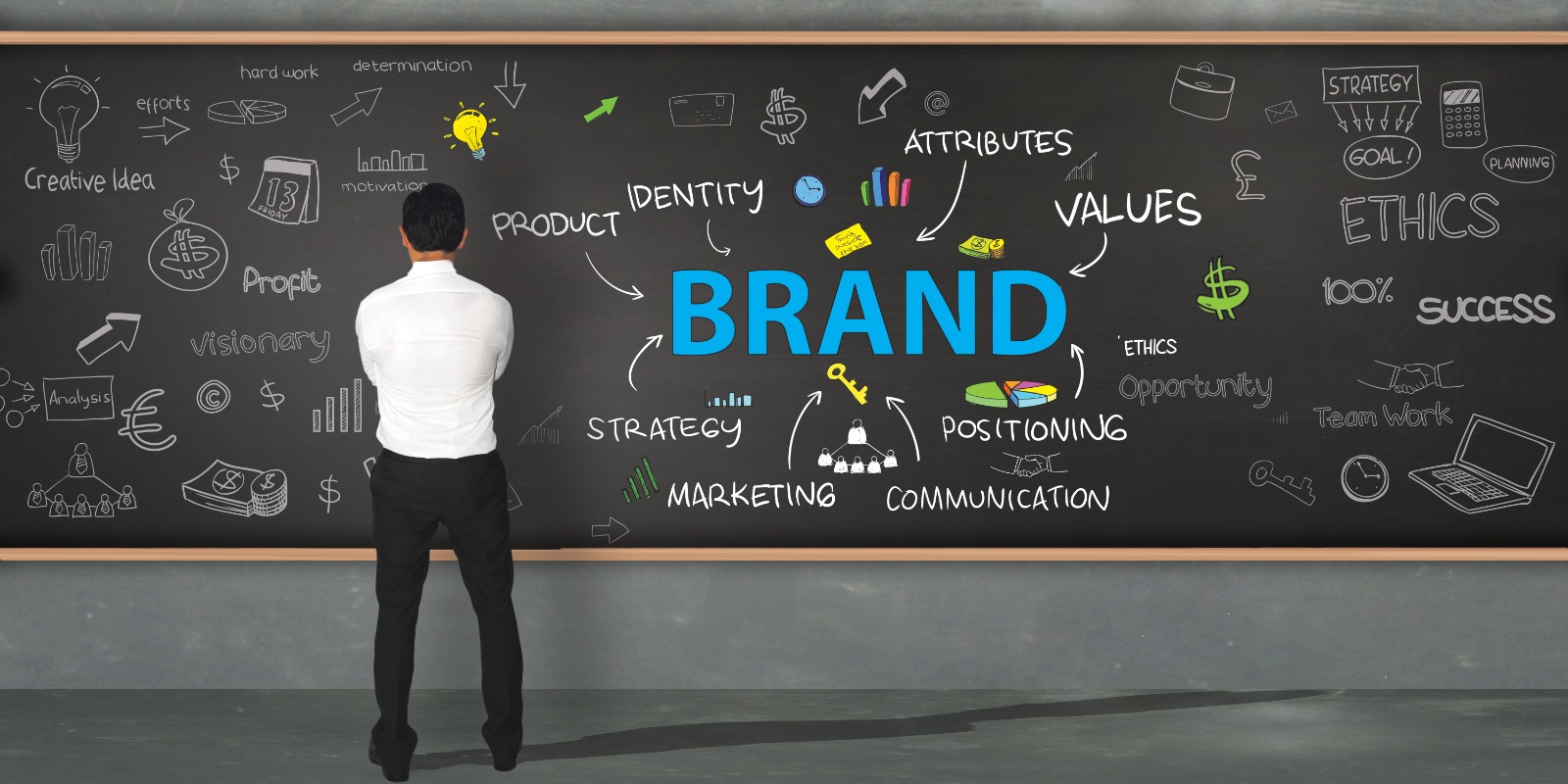
Branding is the strategic process of creating a unique and recognizable identity for your business. It is the "soul" of your company and includes several key layers:
Visual Elements: Your logo, color scheme, and typography.
Messaging and Tone: How you speak to your audience (e.g., professional, witty, or authoritative).
Customer Experience: The feeling a person gets when interacting with your website or support team.
Overall Perception: The reputation you build in the minds of your consumers. A strong brand ensures that this identity remains clear and consistent across every digital touchpoint.
Why Branding Matters More Than Ever
The modern digital market is hyper-competitive. Because customers have infinite choices at their fingertips, they often make purchasing decisions in a matter of seconds. Strong branding acts as a shortcut for the consumer's brain. It helps businesses:
Build Instant Trust: A professional look signals a professional service.
Improve Recognition: Making your business the first one that comes to mind.
Create a Competitive Edge: Giving customers a reason to choose you over a generic alternative.
Influence Decisions: People buy from brands they feel a connection with. Without a defined brand, businesses struggle to leave a lasting impression, often fading into the background of a saturated market.
Key Elements of a Powerhouse Brand
1. Unified Visual Identity
Your logo and design elements create the critical first impression. A consistent visual language across your website, social media, and advertisements builds immediate credibility.
2. Strategic Brand Messaging
Clear communication helps customers quickly understand your value proposition. If your messaging is confusing, you lose the customer.
3. Total Consistency
Consistency is the bedrock of trust. When a customer sees the same colors, tone, and quality on Instagram as they do on your website, it strengthens their confidence in your business.
4. Emotional Connection
The strongest brands do not just sell features; they sell feelings. Connecting with your audience on an emotional level makes your brand significantly more memorable and creates long-term advocates.
How Branding Impacts Business Growth
Branding is not just about aesthetics it is a performance driver. Businesses with a high "brand equity" experience:
Higher Customer Trust: Which leads to shorter sales cycles.
Better Engagement: People are more likely to interact with content from a brand they recognize.
Increased Conversions: Trust is the primary driver of the final click.
Long-Term Loyalty: Branding turns one-time buyers into repeat customers.
"When your brand is clear, consistent, and memorable, every marketing effort works harder."
Common Branding Pitfalls to Avoid
Many businesses fail to scale because they fall into these common traps:
Inconsistent Messaging: Sounding like a different company on every platform.
Weak Visual Identity: Using low-quality or mismatched graphics.
Lack of Clarity: Failing to explain exactly what the business stands for.
Copying Competitors: Losing your unique voice by trying to mimic someone else.
The Role of Branding in Digital Marketing
Branding is the foundation that supports all other marketing efforts. Whether you are running paid ads, posting on social media, or optimizing your website, a strong brand makes those efforts more effective. It ensures that your campaigns are instantly recognizable and that your messaging resonates deeply with the target audience.
Conclusion
In 2026, branding is not an optional luxury it is the essential foundation for sustainable growth. Businesses that focus on building a unique, trustworthy, and consistent identity gain a massive competitive advantage. By investing in your brand today, you are securing your place in the market for tomorrow.
Frequently Asked Questions
Branding is the holistic process of creating a unique identity and reputation for a business to distinguish it from competitors.
It is the primary way businesses build trust, increase recognition, and foster customer loyalty in a crowded market.
Yes. Strong branding builds the trust necessary for a customer to move from "browsing" to "buying."
A successful brand relies on a combination of visual identity (design), clear messaging (voice), and total consistency.
Absolutely. For small businesses, branding is often the only way to compete effectively against larger, established corporations.
If you want your business to stand out and grow, it is time to move beyond generic marketing. Start building a strong, consistent, and recognizable brand identity that reflects your true value.